39 exchange server 2013 antivirus
Check Exchange Antivirus exclusions - ALI TAJRAN How to test that the Exchange Server exclusions are correctly excluded from the Antivirus? We already showed how to run a PowerShell script and get the Antivirus exclusions for Exchange Server 2013/2016/2019. The script runs on the Exchange Servers, and all the exclusions for Exchange Server will show up as a result in three text files. Antivirus exclusions for Exchange Server - ALI TAJRAN Conclusion Download Antivirus exclusions for Exchange script Download the appropriate script for Exchange Server 2013/2016/2019. Place the PowerShell script in path C:\scripts on the Exchange Server and not on any other server. Get-Exchange2013AVExclusions.ps1 Get-Exchange2016AVExclusions.ps1 Get-Exchange2019AVExclusions.ps1
Decommissioning Exchange Server 2013 - Microsoft Community Hub Move all Exchange 2013 mailboxes to a newer version of Exchange Server. Exchange 2013 cannot be decommissioned until all mailboxes are migrated to the new Exchange servers. Migrations are initiated from the newest version of Exchange. ... (e.g., backup software, antivirus/security agents, network monitoring). Removing Exchange 2013 name records ...
Exchange server 2013 antivirus
Security Update For Exchange Server 2013 CU23 (KB5007409) Selecting a language below will dynamically change the complete page content to that language. Select Language: Download DirectX End-User Runtime Web Installer DirectX End-User Runtime Web Installer Security Update For Exchange Server 2013 CU23 (KB5007409) Details System Requirements Install Instructions Related Resources Follow Microsoft Anti-virus software in the operating system on Exchange servers Applies to: Exchange Server 2013 This topic describes the effects of file-level antivirus programs on computers that are running Microsoft Exchange Server 2013. If you implement the recommendations described in this topic, you can help enhance the security and health of your Exchange organization. File-level scanners are frequently used. Anti-malware protection: Exchange 2013 Help | Microsoft Learn Built-in anti-malware protection in Exchange 2013: You can use the built-in Exchange on-premises anti-malware protection feature in order to help you combat malware. This basic anti-malware protection can be turned off, replaced, or paired with a cloud-based service (such as Microsoft Exchange Online Protection) to provide a layered defense.
Exchange server 2013 antivirus. Automatic on-premises Exchange Server mitigation now in Microsoft ... A: Microsoft Defender Antivirus will automatically identify if a vulnerable version of Exchange Server is installed and apply the mitigations the first time the security intelligence update is deployed. The mitigation is deployed once per machine. Q: Is cloud protection required to receive the mitigation? A: No. Running Windows antivirus software on Exchange servers When you run Windows antivirus programs on Microsoft Exchange servers, you can help enhance the security and health of your Exchange organization. However, if they aren't configured correctly, Windows antivirus programs can cause problems in Exchange Server. There are two basic components of any Windows antivirus program: Exchange 2013 antivirus requirement With Exchange 2013, do we need to install exchange aware antivirus on machine for scanning, are built-in mechanisms are enough. is there any alternative for third party antivirus software. Reason behind query is with Windows server 2012 i guess we can deploy antivirus software using System ... · I see some important limitations to the built-in ... Generate Exchange 2013 Antivirus Exclusions List It's a good idea to run antivirus software on your Exchange 2013 servers to help prevent malware, and I always recommend it to customers. But if you do install antivirus software you need to configure it with the correct exclusions so that it doesn't interfere with Exchange Server's operations.
Exchange 2013 antivirus requirement - social.technet.microsoft.com For antispam you can enable the antispam agents on the Exchange 2013 Mailbox role server, similar with Exchange 2007 and 2010. Unfortunately with Exchange 2013 you can't use the Connection Filtering agent on the MB role, this means you can't use a realtime blocklist like Spamhaus. Kaspersky Security for Microsoft Exchange Server Kaspersky Security for Exchange protects against the broadest range of ransomware, including emerging and complex types. Anti-phishing and BEC protection Anti-phishing powered by data science Neural network-based analysis supported by real-time cloud-based sender domain and URL checking protects against even the most convincing email phishing. Generate list of exclusions for antivirus software on Exchange 2013/ ... These PowerShell scripts generate a list of file, folder, process file extension exclusions for configuring antivirus software that will be running on an Exchange 2013 or Exchange 2016 servers. The correct exclusions are recommended to prevent antivirus software from interfering with the operation of Exchange Server. Security Update For Exchange Server 2013 CU23 (KB5019758) Selecting a language below will dynamically change the complete page content to that language. Select Language: Download DirectX End-User Runtime Web Installer DirectX End-User Runtime Web Installer Security Update For Exchange Server 2013 CU23 (KB5019758) Details System Requirements Install Instructions Related Resources
9 Best Antivirus to Secure Exchange Mail Servers - Windows Report This antivirus for Exchange 2013 offers protection using the F-Secure Email and Server Security, which can be licensed and deployed on a per-server basis or per-user or terminal connection basis. Features include viruses and spyware protection, and DeepGuard for proactive and instant protection while monitoring behavior to stop potentially ... Anti-Virus on Exchange Server 2013 - The Spiceworks Community I have heard from two different groups of people, that one should install Anti-Virus software on an Exchange server and, you should just leave your Exchange server to bare minim... Home. News & Insights ... Microsoft Corporation Exchange Server 2013 star 4.1; Spice (4) Reply (3) flag Report. Antispam and antimalware protection in Exchange Server Antispam protection is provided by the same built-in transport agents that were introduced in Exchange Server 2010. These agents are enabled by default on Edge Transport servers, and you can enable many of them on Exchange Mailbox servers. Antimalware protection is provided by the Malware agent that was introduced in Exchange Server 2013. Exchange 2013 antivirus requirement - social.technet.microsoft.com For antispam you can enable the antispam agents on the Exchange 2013 Mailbox role server, similar with Exchange 2007 and 2010. Unfortunately with Exchange 2013 you can't use the Connection Filtering agent on the MB role, this means you can't use a realtime blocklist like Spamhaus.
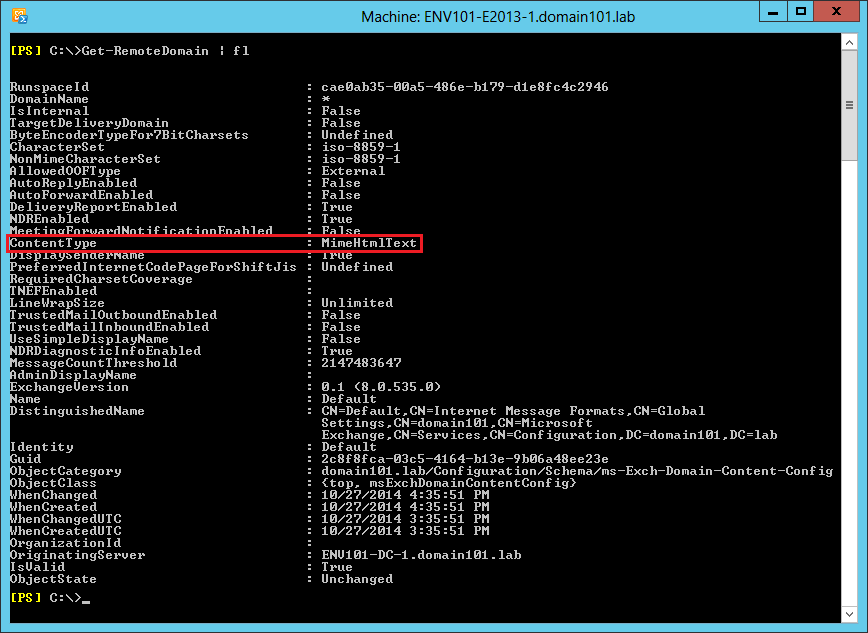
How to set the RemoteDomain parameters to force email format ...
Anti-spam and anti-malware protection: Exchange 2013 Help Microsoft Exchange Server 2013 customers are automatically provided with anti-spam and anti-malware protection. The following topics (and their associated subtopics) provide overview information and configuration steps for customizing the built-in spam filtering and malware filtering settings so that they best meet the needs of your organization:
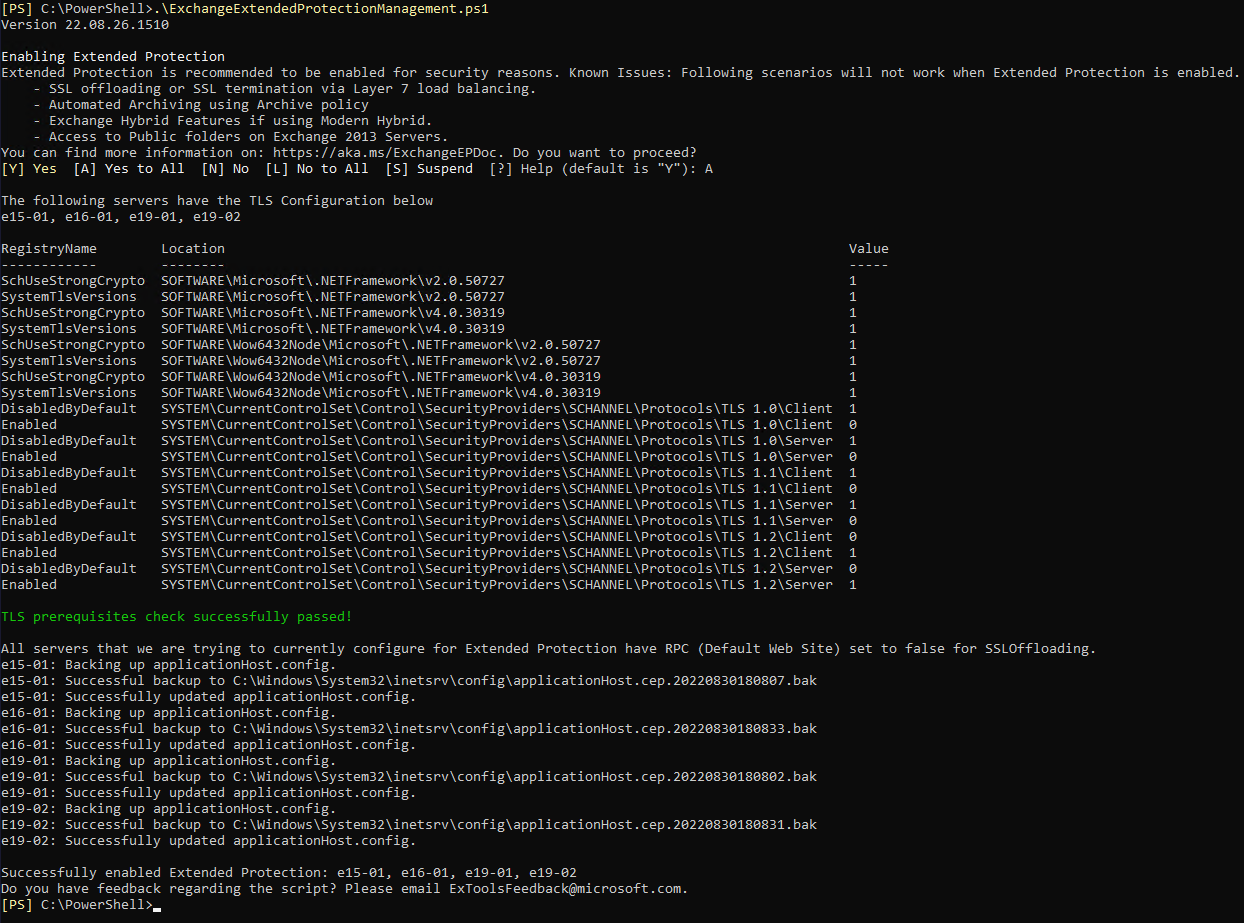
Extended Protection - Microsoft - CSS-Exchange
Exchange 2013 antivirus requirement - social.technet.microsoft.com For antispam you can enable the antispam agents on the Exchange 2013 Mailbox role server, similar with Exchange 2007 and 2010. Unfortunately with Exchange 2013 you can't use the Connection Filtering agent on the MB role, this means you can't use a realtime blocklist like Spamhaus.
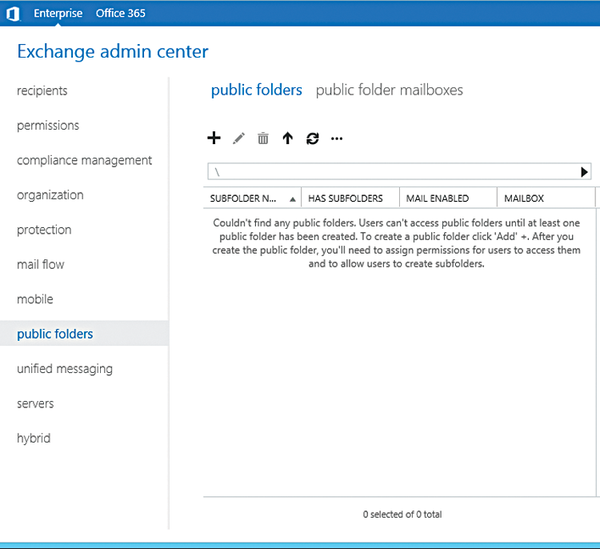
Exchange Server 2013 » ADMIN Magazine
Anti-malware protection: Exchange 2013 Help | Microsoft Learn Built-in anti-malware protection in Exchange 2013: You can use the built-in Exchange on-premises anti-malware protection feature in order to help you combat malware. This basic anti-malware protection can be turned off, replaced, or paired with a cloud-based service (such as Microsoft Exchange Online Protection) to provide a layered defense.
Microsoft Exchange 2013 Introduction
Anti-virus software in the operating system on Exchange servers Applies to: Exchange Server 2013 This topic describes the effects of file-level antivirus programs on computers that are running Microsoft Exchange Server 2013. If you implement the recommendations described in this topic, you can help enhance the security and health of your Exchange organization. File-level scanners are frequently used.
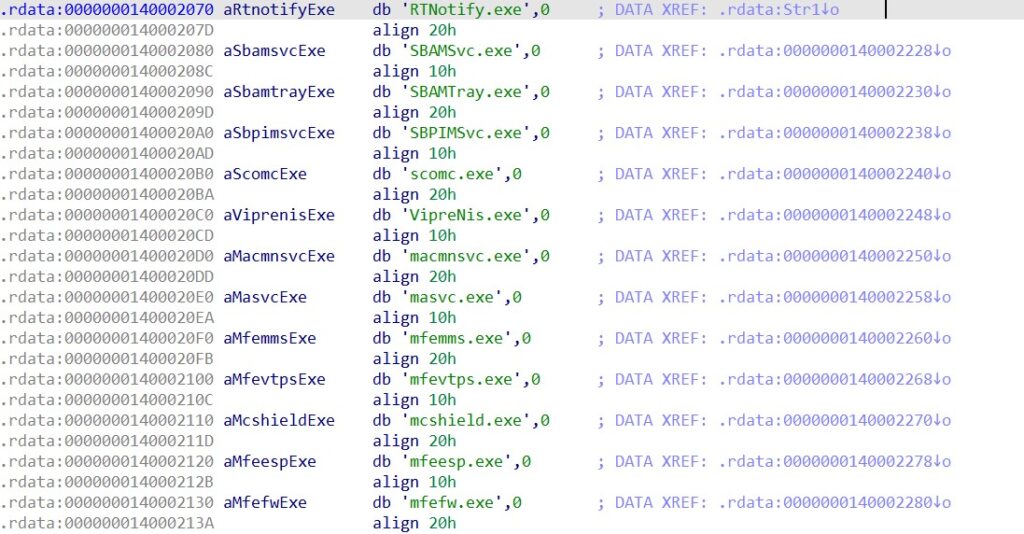
Insights into Ransomware Spread Using Exchange 1-Day ...
Security Update For Exchange Server 2013 CU23 (KB5007409) Selecting a language below will dynamically change the complete page content to that language. Select Language: Download DirectX End-User Runtime Web Installer DirectX End-User Runtime Web Installer Security Update For Exchange Server 2013 CU23 (KB5007409) Details System Requirements Install Instructions Related Resources Follow Microsoft

Planning and Configuring Message Hygiene - ppt download

How Do I Manually Connect Microsoft Outlook 2010/2013 To My ...

Planning and Configuring Message Hygiene - ppt download

You only have nine months to ditch Exchange Server 2013
ProxyNoShell: Mandiant warns of new attack methods on ...
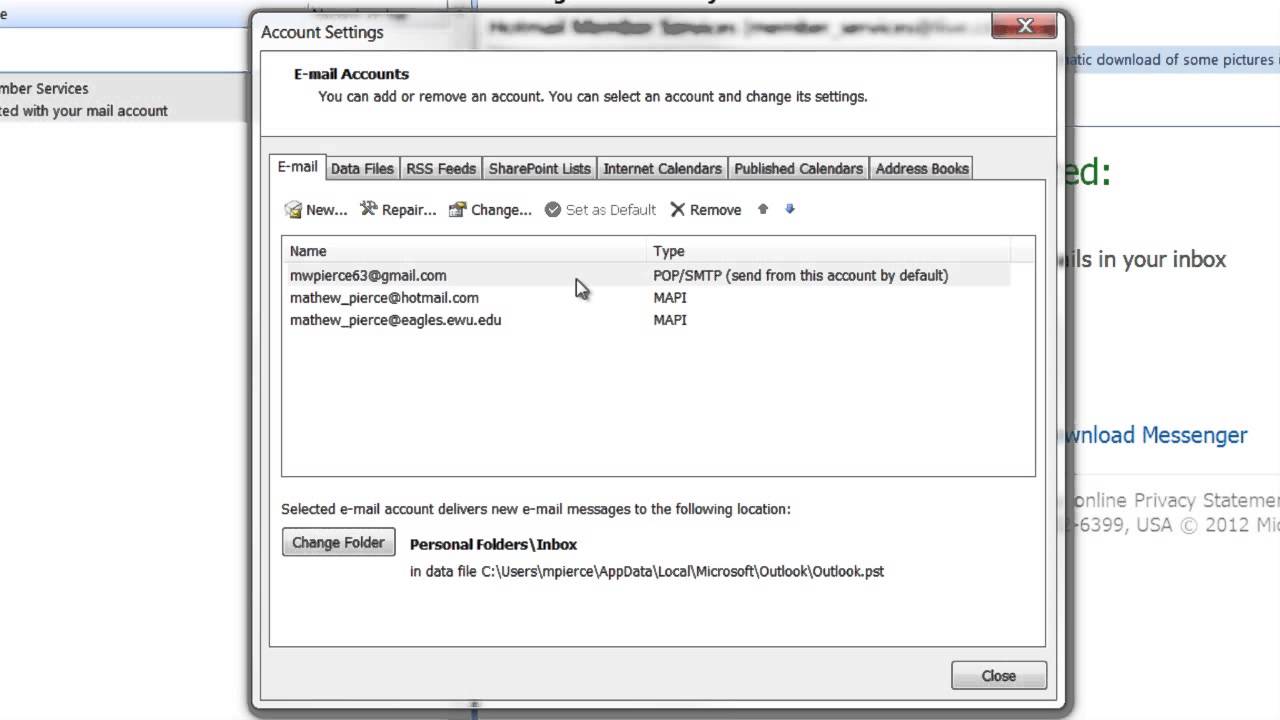
How to Find Out the Microsoft Exchange Server Address : Tech Vice
Archive, Antivirus, Anti-spam for Exchange and hMailServer ...
Microsoft Exchange Server Flaws Now Exploited for BEC Attacks
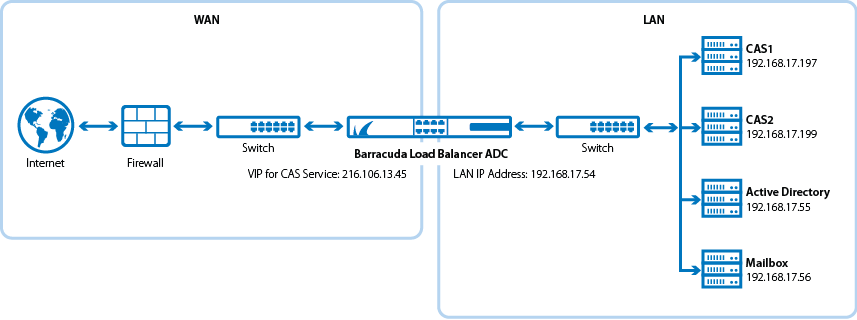
Microsoft Exchange Server 2013 and 2016 Deployment ...
Company Exchange Server Spam filter

9 Best Antivirus to Secure Exchange Mail Servers
Exchange Engineer Resume Sample | MintResume

Clint Boessen's Blog: Microsoft Exchange Virus Scanning API ...
Symantec Data Protection Engine for Cloud Services Product Brief
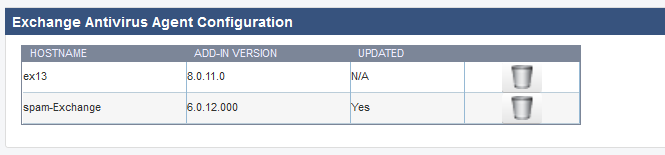
How to Get and Configure Barracuda Exchange Antivirus Agent 8 ...

Exchange 2013: CU 22 and CU23 – Fatal error during ...
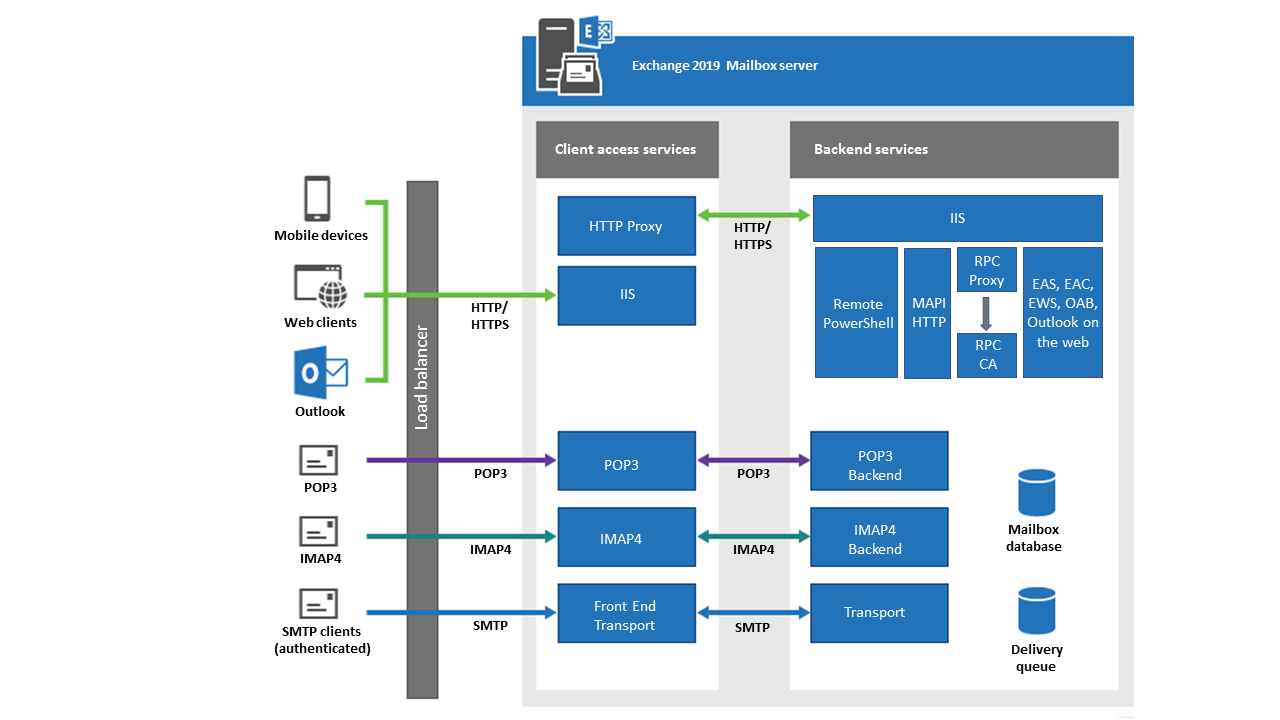
Exchange 2019 Mailbox Server: Services and Components ...

Anti-Spam and Anti-Malware Protection in Exchange 2013 (Part 3)

Attacks on Microsoft Exchange servers | Kaspersky official blog
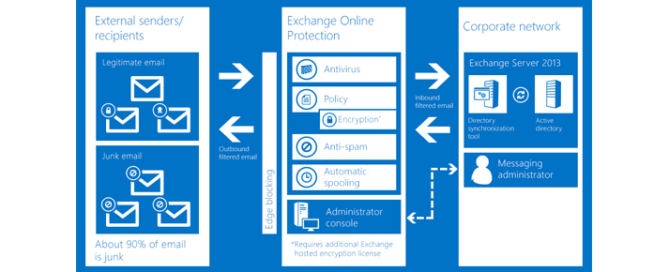
Exchange Online Protection Archives - Red Level Group
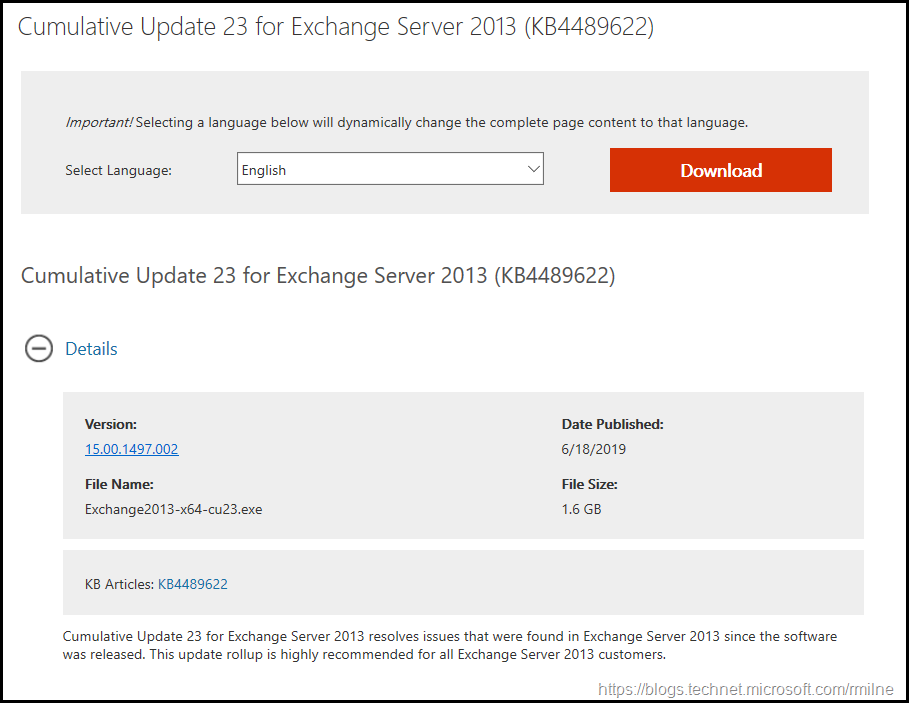
Exchange 2013 CU23 Released - 250 Hello
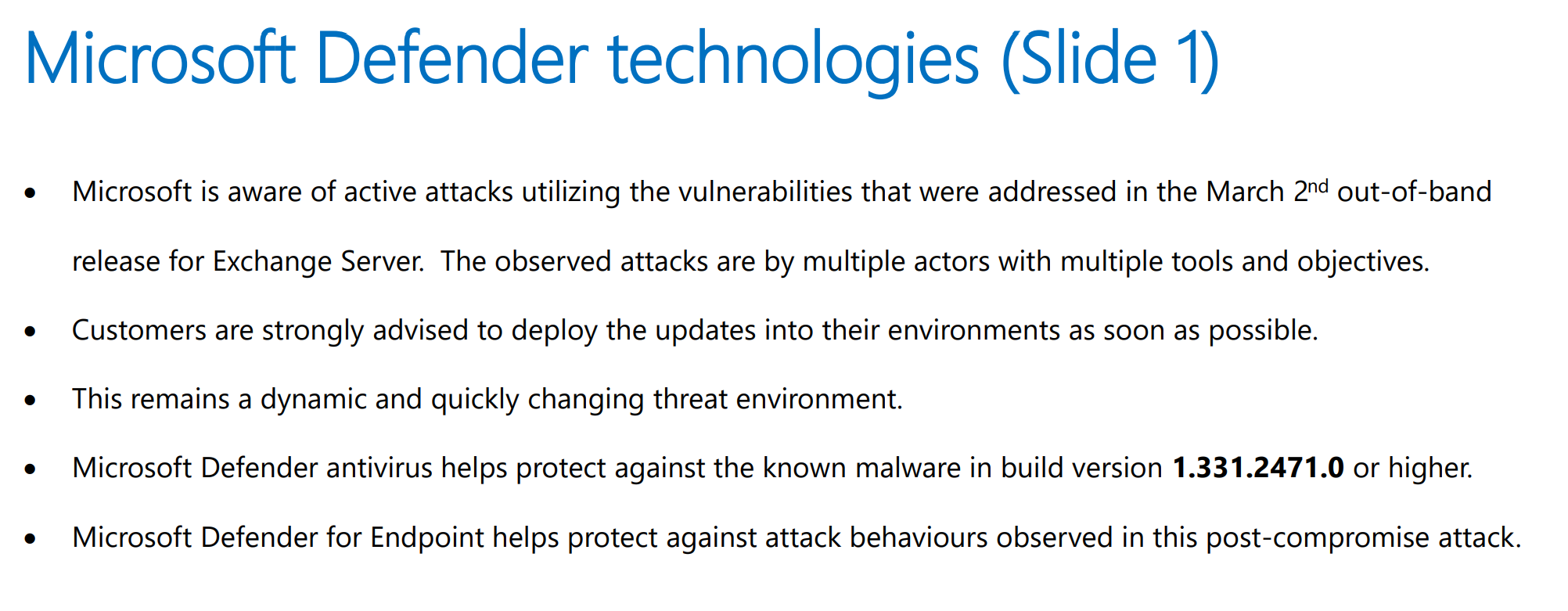
MS Exchange HAFNIUM, how to remove! - IT koehler blog

Exchange 2013 Consulting Experts - Microsoft Exchange 2013 ...
Avast Email Server Security

Antivirus exclusions for Exchange Server - ALI TAJRAN
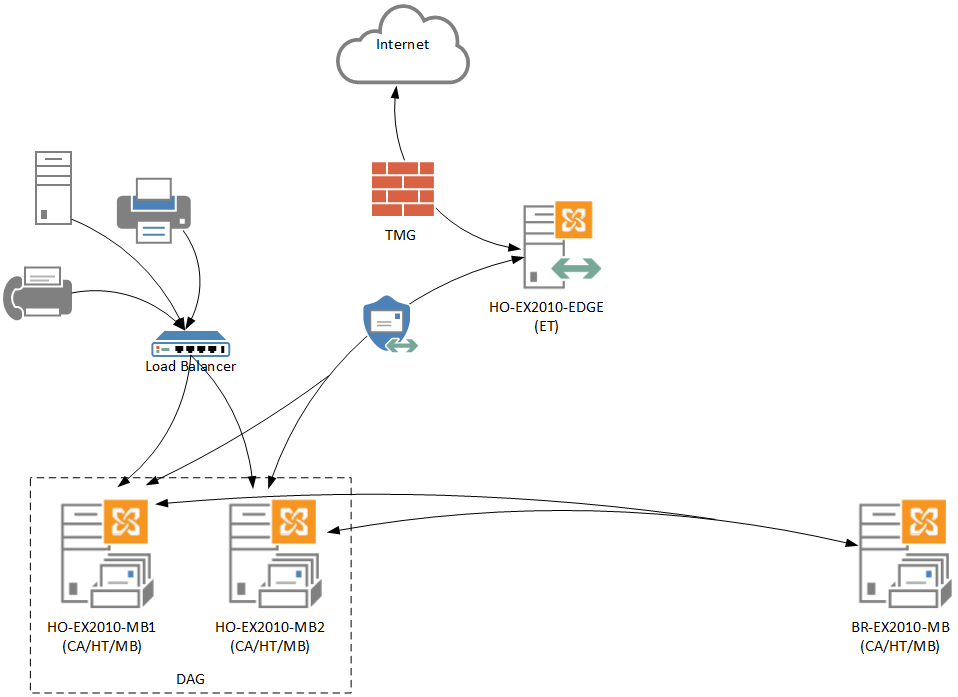
Exchange 2010 to 2013 Migration Pre-Requisites & Info Gathering
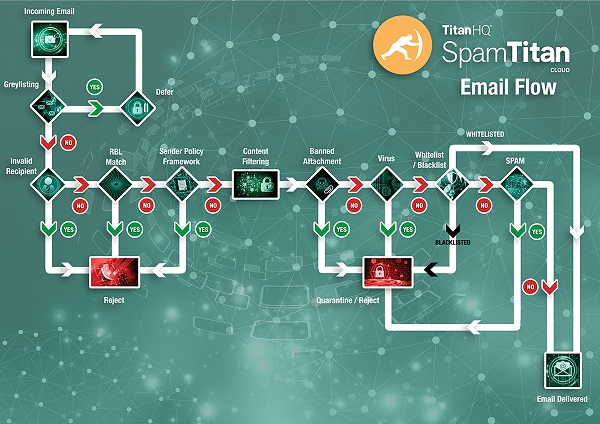
Email Filter for an Exchange Server
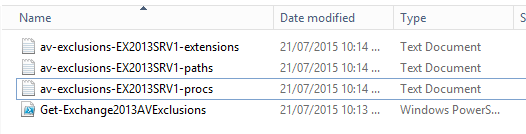
Generate Exchange 2013 Antivirus Exclusions List
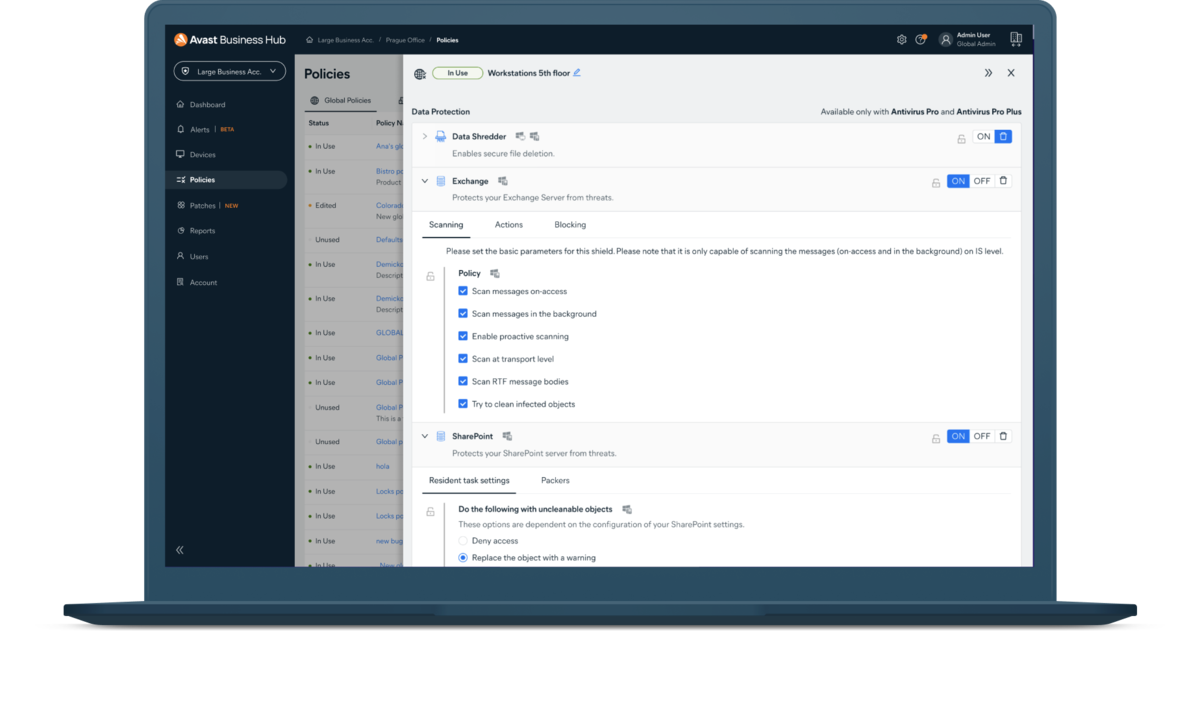
Windows server protection for business | Avast
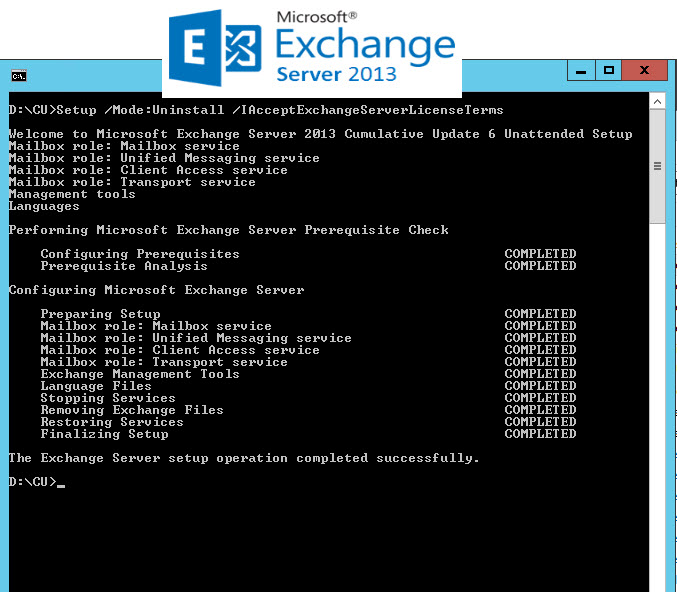
Removing Exchange 2013 Mailbox Server from Exchange ...

Microsoft Exchange Server 2016 deployment on Cloud | Secure ...

Exchange 2013 Cumulative Update installation Best Practices ...
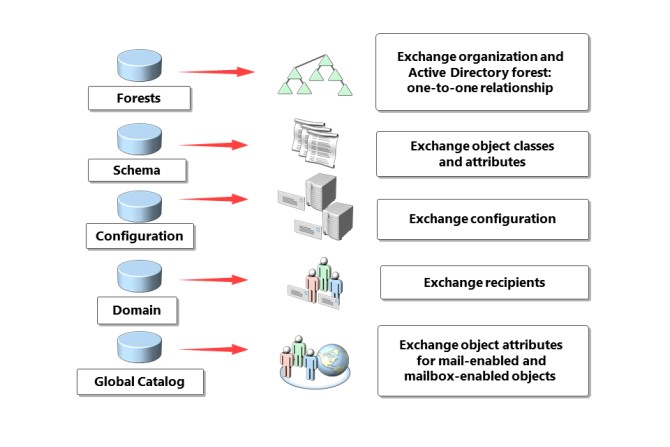
Deploying and Managing Microsoft Exchange Server 2013 ...
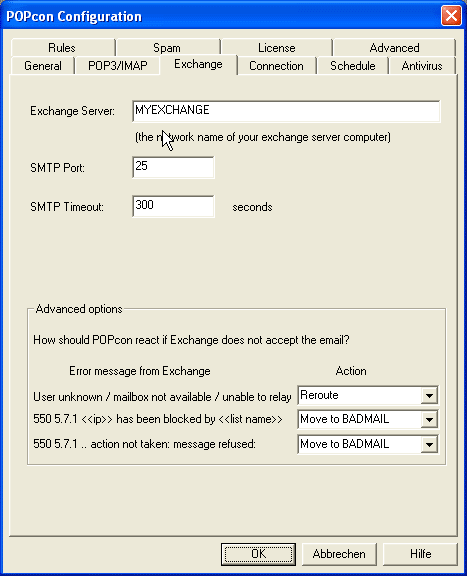
Exchange 2013 and 2016 configuration
0 Response to "39 exchange server 2013 antivirus"
Post a Comment